 English
 Español
  русский
  日本語
日本語  Português
  Français
  Deutsch
  tiếng Việt
  Italiano
  Nederlands
  ภาษาไทย
  Polski
  한국어
한국어  Svenska
  magyar
  Malay
Malay  বাংলা ভাষার
  Dansk
Dansk  Suomi
Suomi  हिन्दी
  Pilipino
  Türkçe
  Gaeilge
  العربية
  Indonesia
  Norsk
Norsk  تمل
تمل  český
český  ελληνικά
  український
  Javanese
  فارسی
فارسی  தமிழ்
தமிழ்  తెలుగు
  नेपाली
  Burmese
  български
  ລາວ
ລາວ  Latine
  Қазақша
  Euskal
  Azərbaycan
  Slovenský jazyk
  Македонски
  Lietuvos
  Eesti Keel
  Română
  Slovenski
  मराठी
मराठी  Srpski језик


Is Rubber Gasket Technology Transforming Modern Industrial Sealing Systems?
The evolution of sealing engineering has brought significant attention to how Rubber Gasket components support stability, durability, and adaptability in complex industrial systems. As global manufacturing continues to advance, industries require more reliable sealing solutions capable of performing under varying pressure, temperature, and mechanical stress conditions. These demands have driven continuous innovation in material formulation and structural design to ensure long-term operational efficiency.
In modern production environments, sealing reliability directly influences system safety and equipment lifespan. Engineers focus on improving elasticity, compression recovery, and environmental resistance to meet increasingly strict performance requirements. Advanced elastomer-based solutions are widely applied across mechanical assemblies, transportation systems, and precision electronics, ensuring consistent sealing behavior and minimizing operational risk.
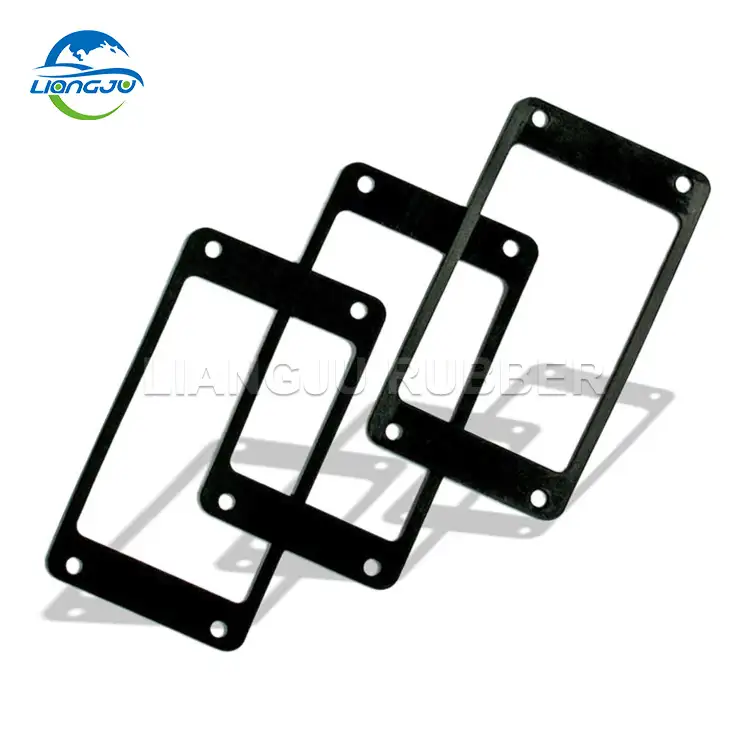
Industrial Sealing Development Overview
Expanding Engineering Requirements
Industrial systems are becoming more complex, requiring sealing components that can adapt to multi-condition environments. Precision engineering has increased the demand for materials that maintain structural integrity under continuous stress. In this context, Rubber Gasket technology plays an important role in supporting system stability by providing reliable sealing performance across diverse applications.
Material Innovation and Optimization
Ongoing research in polymer science has significantly improved elastomer performance. Engineers are developing advanced compounding techniques to enhance flexibility, durability, and resistance characteristics. These improvements ensure that sealing components maintain efficiency even in harsh working environments, supporting the long-term reliability of industrial equipment.
Engineering Material Progress
Elastic Performance Enhancement
Elastic recovery is a critical factor in sealing applications, as it determines how well a component maintains contact under repeated pressure cycles. High-quality sealing structures are designed to resist deformation while maintaining stable performance over time. This characteristic is essential in ensuring consistent operation in mechanical systems and industrial assemblies.
Environmental Adaptability
Industrial environments often expose sealing materials to temperature variation, humidity, and chemical interaction. Advanced material formulations help improve resistance and stability under these conditions. Proper engineering ensures that sealing components continue to perform effectively even in challenging operational environments.
Application Across Industrial Systems
Mechanical Equipment Integration
Sealing structures are widely used in mechanical systems where pressure control and leakage prevention are essential. Proper interface design ensures smooth operation and reduces wear between connected components. Reliable sealing solutions help extend equipment lifespan and maintain operational efficiency.
Electronic and Precision Devices
Sensitive electronic systems require protection from dust, moisture, and external interference. Sealing components play a crucial role in maintaining internal stability and ensuring consistent performance. Compact device structures depend heavily on precise sealing integration for long-term reliability.
Transportation Engineering Systems
Transportation equipment operates under dynamic conditions involving vibration, thermal fluctuation, and pressure variation. Effective sealing systems help maintain structural integrity and reduce mechanical fatigue. These characteristics are essential for ensuring safe and stable operation across transportation applications.
Manufacturing Process Structure
Material Preparation and Forming
The manufacturing process begins with controlled material selection and compounding to achieve desired performance characteristics. Elastomer blends are carefully formulated to ensure flexibility, durability, and resistance properties. Molding techniques are applied to shape components with high precision and consistency.
During forming and processing stages, material stability is closely monitored to ensure uniform quality. Engineering adjustments are made to optimize structural behavior and enhance product reliability. This stage is essential for ensuring consistent performance across different production batches.
Surface Treatment and Finishing
Surface quality directly impacts sealing efficiency by influencing contact performance and pressure distribution. Smooth and uniform surfaces help reduce leakage risks and improve structural alignment. Finishing processes are applied to enhance dimensional accuracy and ensure functional stability.
Quality Control and Reliability Systems
Performance Testing Procedures
Quality assurance systems evaluate elasticity retention, compression strength, and environmental resistance. Each component undergoes structured testing to ensure stable performance under operational conditions. These procedures help maintain consistency across manufacturing output.
Material Consistency Management
Maintaining uniform material composition is essential for predictable performance in industrial applications. Monitoring systems are used to detect variations and ensure stable production quality. This contributes to long-term reliability and operational efficiency.
Industry Trends and Development Direction
Advancement of Elastomer Technologies
The industrial sector continues to move toward high-performance material systems that offer improved durability and adaptability. Engineering teams focus on optimizing material composition and structural design to meet evolving application requirements. These developments contribute to more efficient and reliable sealing systems.
Customized Engineering Solutions
Different industrial applications require tailored sealing structures designed for specific operating conditions. Custom engineering approaches allow manufacturers to adjust performance characteristics based on system requirements. This flexibility enhances application diversity across multiple industries.
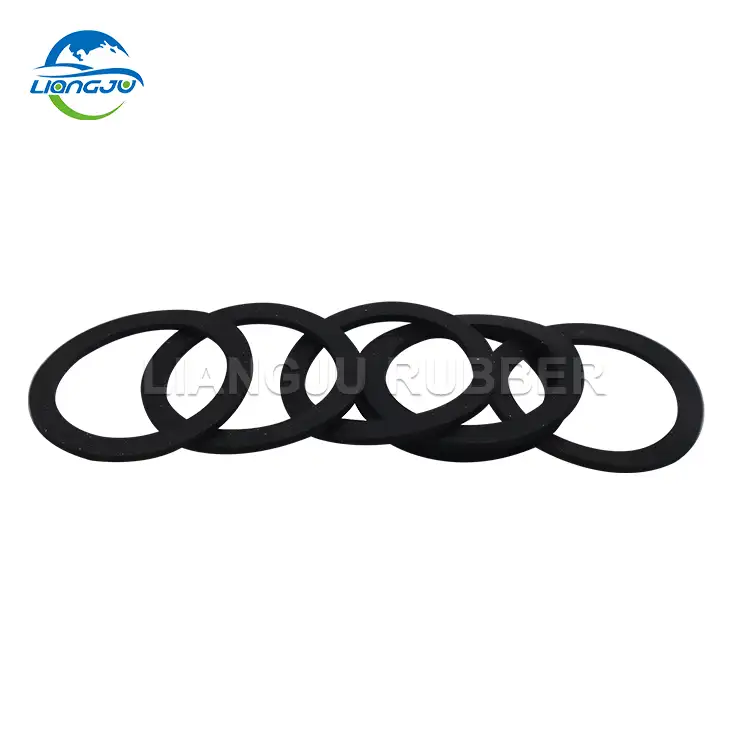
Simple Material Overview Table
| Material Category | Application Area | Functional Characteristics |
|---|---|---|
| General Elastomer Systems | Standard industrial equipment | Flexibility, sealing adaptability, mechanical resilience |
| Reinforced Composite Systems | Transportation and heavy machinery | Pressure resistance, vibration control, durability |
| Precision Polymer Systems | Electronic and compact devices | Dimensional stability, insulation performance, reliability |
Engineering Innovation and System Optimization
Structural Development Strategies
Engineering advancements focus on improving structural efficiency and extending service life. Optimized molding processes and material research contribute to enhanced product consistency and performance stability. These improvements support broader industrial application requirements.
Automation and intelligent production systems have also improved manufacturing precision. Real-time monitoring and adaptive process control help reduce variability and improve output consistency. These advancements strengthen industrial manufacturing capabilities.
Smart Manufacturing Integration
Modern production systems increasingly rely on automation and data-driven optimization. Intelligent monitoring improves accuracy and ensures stable production conditions. These systems enhance efficiency and support long-term manufacturing development.
Industrial Value and System Reliability
Sealing components play an essential role in maintaining operational stability across industrial systems. Their performance directly impacts mechanical efficiency, safety, and durability. As engineering standards continue to rise, reliable sealing solutions remain a critical part of system design and performance assurance.
In many modern applications, Rubber Gasket components are recognized for their ability to maintain consistent sealing behavior under complex operating conditions. This contributes to improved system reliability and long-term operational stability in industrial environments.
Company Focus and Industry Contribution
Liangju Rubber Co., Ltd. has developed extensive expertise in rubber component manufacturing, supported by long-term experience in material engineering and molding technology. The company focuses on maintaining stable production quality while continuously improving product performance and application adaptability.
With strong technical capabilities and a commitment to industrial development, Liangju Rubber Co., Ltd. continues to support a wide range of applications across global markets. Its emphasis on process optimization and material consistency ensures reliable performance in demanding industrial environments.
Through continuous improvement and engineering refinement, the company strengthens its position in the rubber manufacturing industry, contributing to the advancement of sealing technology and industrial component innovation.
Send Inquiry



X
We use cookies to offer you a better browsing experience, analyze site traffic and personalize content. By using this site, you agree to our use of cookies.
Privacy Policy
-
Email
-
Call Us
-
Address
No.17, Huli Park, Tongan Industrial Concentration Area, Xiamen 361100 China
Inquiry For PriceList
For inquiries about stabilizer bushing, dust cover, horse rubber parts or price list, please leave your email to us and we will be in touch within 24 hours.