 English
 Español
  русский
  日本語
日本語  Português
  Français
  Deutsch
  tiếng Việt
  Italiano
  Nederlands
  ภาษาไทย
  Polski
  한국어
한국어  Svenska
  magyar
  Malay
Malay  বাংলা ভাষার
  Dansk
Dansk  Suomi
Suomi  हिन्दी
  Pilipino
  Türkçe
  Gaeilge
  العربية
  Indonesia
  Norsk
Norsk  تمل
تمل  český
český  ελληνικά
  український
  Javanese
  فارسی
فارسی  தமிழ்
தமிழ்  తెలుగు
  नेपाली
  Burmese
  български
  ລາວ
ລາວ  Latine
  Қазақша
  Euskal
  Azərbaycan
  Slovenský jazyk
  Македонски
  Lietuvos
  Eesti Keel
  Română
  Slovenski
  मराठी
मराठी  Srpski језик


How Rubber Seal Improves Performance and Prevents Leakage
Abstract
Rubber seals are critical components in countless industrial and consumer applications, designed to prevent leakage, maintain pressure, and protect systems from contamination. However, many users face challenges such as premature wear, improper material selection, and installation issues that compromise performance. This article provides a comprehensive guide on how rubber seals work, how to choose the right type, and how to maximize their lifespan. With practical insights and structured guidance, this resource helps engineers, buyers, and maintenance professionals make informed decisions.
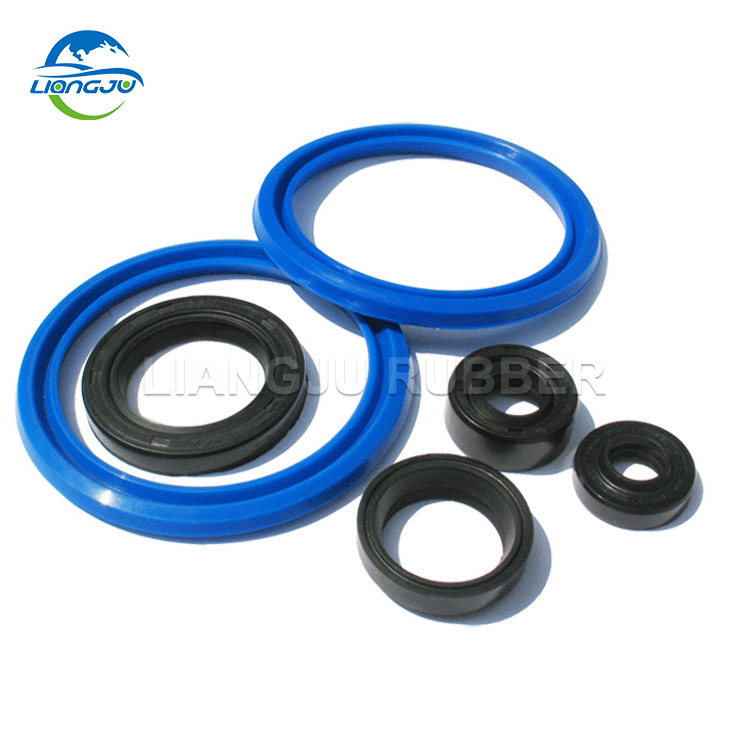
Table of Contents
- 1. What Is a Rubber Seal?
- 2. How Rubber Seal Works
- 3. Common Types of Rubber Seals
- 4. Material Selection Guide
- 5. Key Applications Across Industries
- 6. Common Problems and Solutions
- 7. Installation Best Practices
- 8. Maintenance and Longevity Tips
- 9. Why Choose Liangju for Rubber Seals
- 10. FAQ
Outline
- Definition and role of rubber seals
- Working mechanism and sealing principles
- Different seal types and their use cases
- Material comparison and selection criteria
- Real-world applications
- Problem-solving strategies
- Installation and maintenance insights
1. What Is a Rubber Seal?
A rubber seal is a flexible component used to block the passage of fluids, gases, or contaminants between two surfaces. It creates a tight barrier by deforming under pressure, filling gaps, and ensuring a secure fit. Rubber seals are widely used in automotive systems, industrial machinery, plumbing systems, and household appliances.
Their effectiveness depends on material elasticity, environmental compatibility, and precise design. A poorly selected seal can lead to leaks, equipment failure, and increased maintenance costs.
2. How Rubber Seal Works
Rubber seals operate based on compression and elasticity. When installed, the seal is compressed between mating surfaces, generating a contact force that prevents leakage.
- Compression: The seal is squeezed to fill gaps
- Elastic Recovery: Maintains pressure over time
- Barrier Formation: Blocks fluid or gas movement
The effectiveness of a seal depends on maintaining the right balance between compression force and material resilience. Excessive compression can damage the seal, while insufficient compression leads to leakage.
3. Common Types of Rubber Seals
| Type | Description | Typical Use |
|---|---|---|
| O-Rings | Round cross-section seals | Hydraulic and pneumatic systems |
| Gaskets | Flat seals between surfaces | Flanges and pipe connections |
| Lip Seals | Seals with a flexible lip | Rotating shafts |
| U-Cups | U-shaped seals for pressure retention | Hydraulic cylinders |
Each type serves a specific function, and selecting the wrong type can significantly reduce system efficiency.
4. Material Selection Guide
Choosing the right rubber material is crucial for performance. Different materials offer varying resistance to temperature, chemicals, and wear.
| Material | Temperature Range | Key Properties |
|---|---|---|
| NBR | -40°C to 120°C | Oil resistance, cost-effective |
| EPDM | -50°C to 150°C | Weather and ozone resistance |
| Silicone | -60°C to 200°C | High temperature flexibility |
| FKM | -20°C to 250°C | Chemical resistance, durability |
Users often encounter failures due to incompatible materials. For example, using NBR in high-temperature environments can lead to cracking and loss of elasticity.
5. Key Applications Across Industries
Rubber seals are essential in multiple industries:
- Automotive: Engines, transmissions, fuel systems
- Construction: Windows, doors, waterproofing
- Industrial Machinery: Pumps, compressors, pipelines
- Electronics: Dust and moisture protection
Reliable sealing ensures safety, efficiency, and compliance with operational standards.
6. Common Problems and Solutions
| Problem | Cause | Solution |
|---|---|---|
| Leakage | Incorrect size or compression | Use proper dimensions and tolerance |
| Cracking | Material incompatibility | Select suitable material |
| Wear | Friction and poor lubrication | Apply lubrication or upgrade design |
| Swelling | Chemical exposure | Use chemical-resistant rubber |
Understanding these issues helps reduce downtime and maintenance costs significantly.
7. Installation Best Practices
- Ensure surfaces are clean and smooth
- Avoid twisting or overstretching the seal
- Use appropriate lubrication during installation
- Verify alignment and proper seating
Improper installation is one of the leading causes of seal failure, even when high-quality materials are used.
8. Maintenance and Longevity Tips
To extend the lifespan of rubber seals:
- Perform regular inspections
- Replace seals at recommended intervals
- Monitor operating conditions
- Avoid exposure to extreme environments beyond material limits
Preventive maintenance reduces unexpected failures and enhances system reliability.
9. Why Choose Liangju for Rubber Seals
Liangju is a trusted manufacturer specializing in high-performance rubber sealing solutions. With advanced production technology and strict quality control, Liangju delivers products that meet demanding industrial requirements.
Customers benefit from:
- Customizable designs for specific applications
- Wide range of material options
- Consistent product quality
- Professional technical support
For more detailed product specifications, visit: https://www.tec-rubbers.com/rubber-seal
10. FAQ
Q1: How do I choose the right rubber seal?
Consider operating temperature, pressure, chemical exposure, and application type. Matching these factors with the correct material and design is essential.
Q2: Why do rubber seals fail prematurely?
Common reasons include improper installation, incorrect material selection, and exposure to extreme conditions beyond design limits.
Q3: Can rubber seals be reused?
In most cases, reuse is not recommended as deformation and wear can compromise sealing performance.
Q4: How often should seals be replaced?
Replacement depends on usage conditions, but regular inspection helps determine the optimal replacement cycle.
Q5: What industries benefit most from rubber seals?
Automotive, manufacturing, construction, and electronics industries rely heavily on rubber sealing solutions.
If you are looking for reliable, high-quality rubber sealing solutions tailored to your application needs, Liangju is ready to support your project. Contact us today to get expert guidance and customized solutions that ensure long-term performance and cost efficiency.
Send Inquiry



X
We use cookies to offer you a better browsing experience, analyze site traffic and personalize content. By using this site, you agree to our use of cookies.
Privacy Policy
-
Email
-
Call Us
-
Address
No.17, Huli Park, Tongan Industrial Concentration Area, Xiamen 361100 China
Inquiry For PriceList
For inquiries about stabilizer bushing, dust cover, horse rubber parts or price list, please leave your email to us and we will be in touch within 24 hours.